Blockchain Compute Node Provider
Decentralized Storage & Compute Options in 2026: Akash, Storj & Nosana
In 2026, more people are earning from their hardware by joining decentralized networks. Instead of renting from big cloud providers, you can rent out your storage space or GPU power directly and get paid in crypto.
Here’s a practical comparison of three popular options: Akash, Storj, and Nosana.
Visual Overview
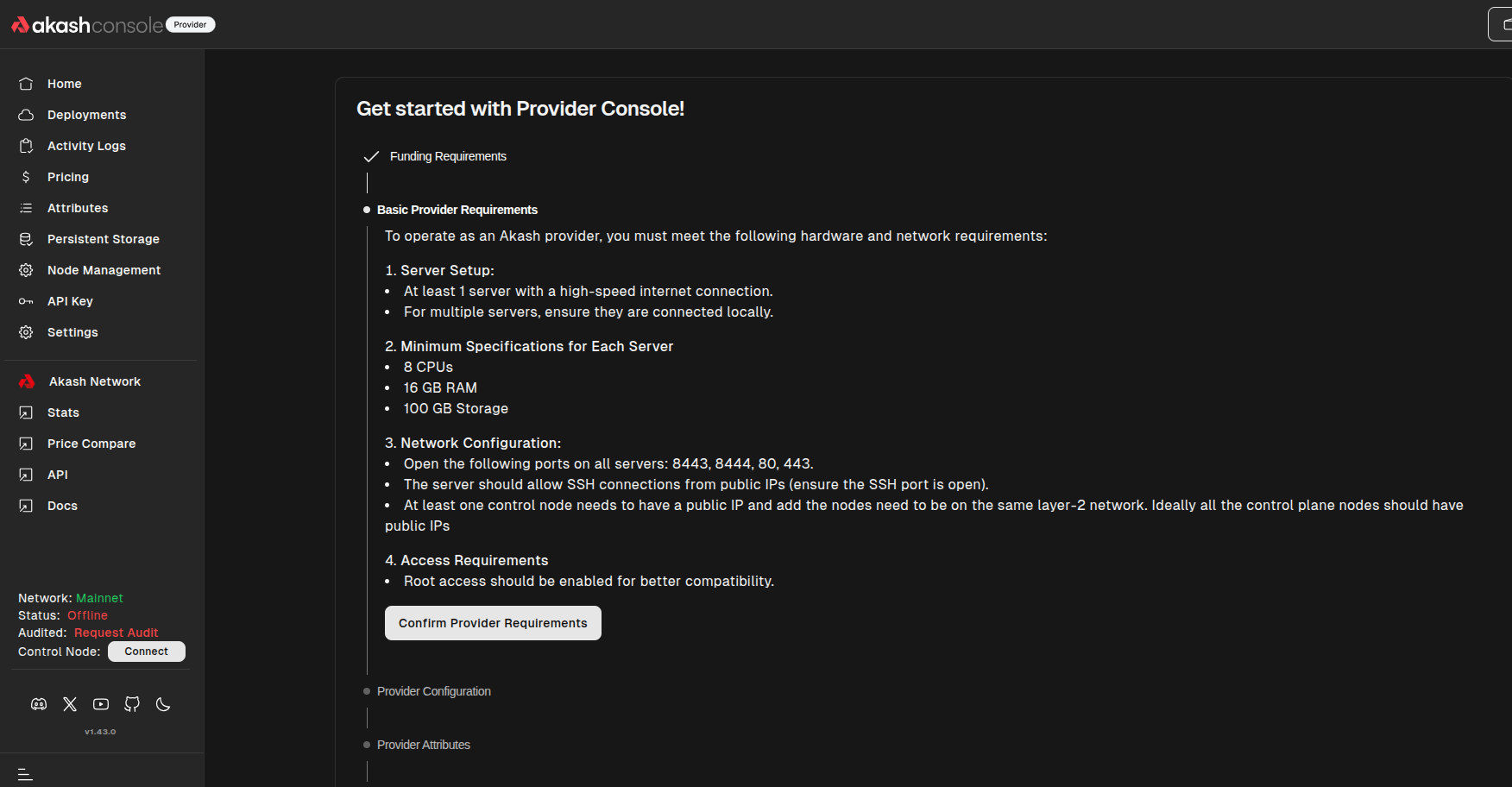
Akash Network
Decentralized compute marketplace. Rent out CPU and GPU resources worldwide and earn AKT tokens.
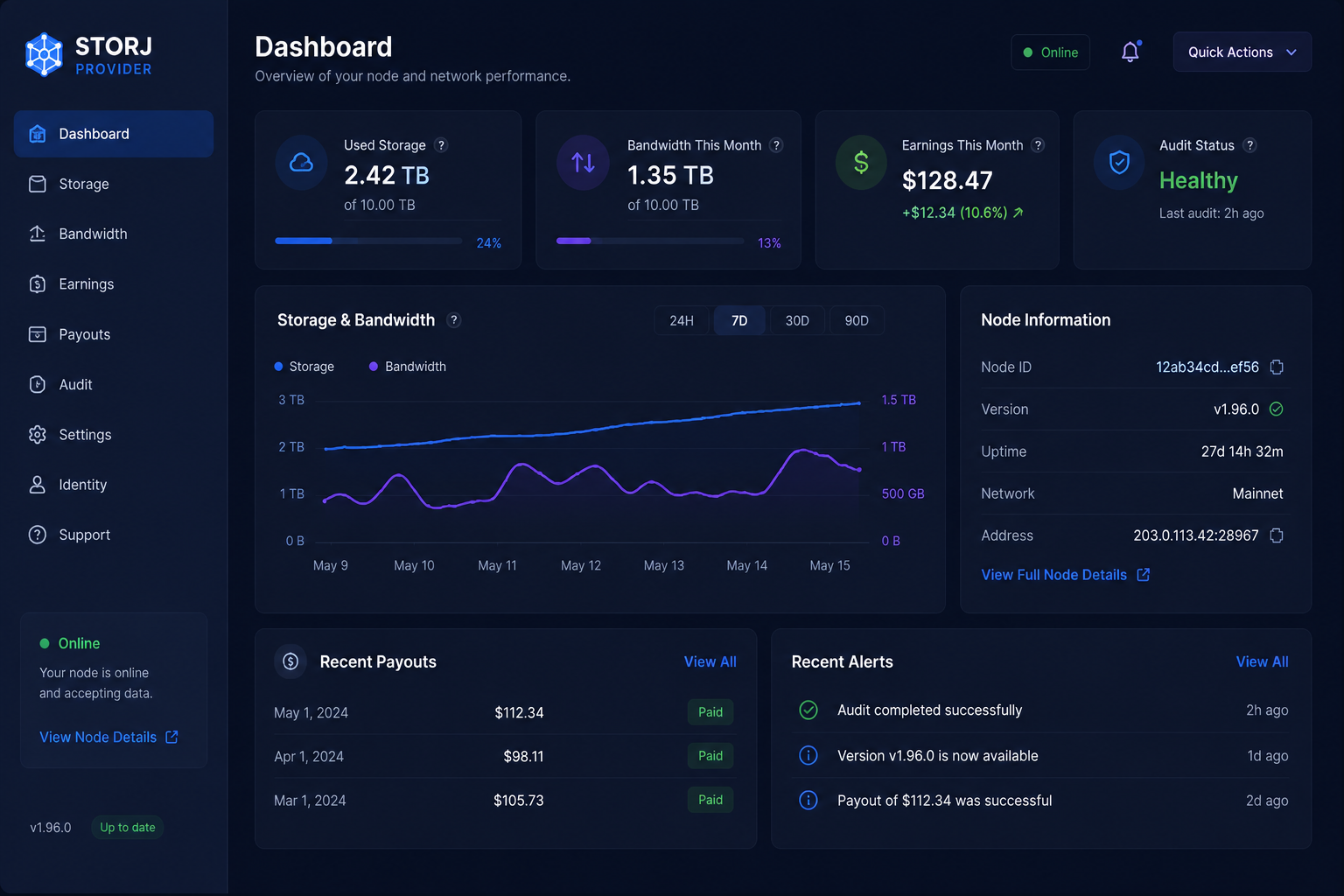
Storj
Decentralized storage network. Earn by renting out hard drive space. Stable passive income with lower hardware needs.
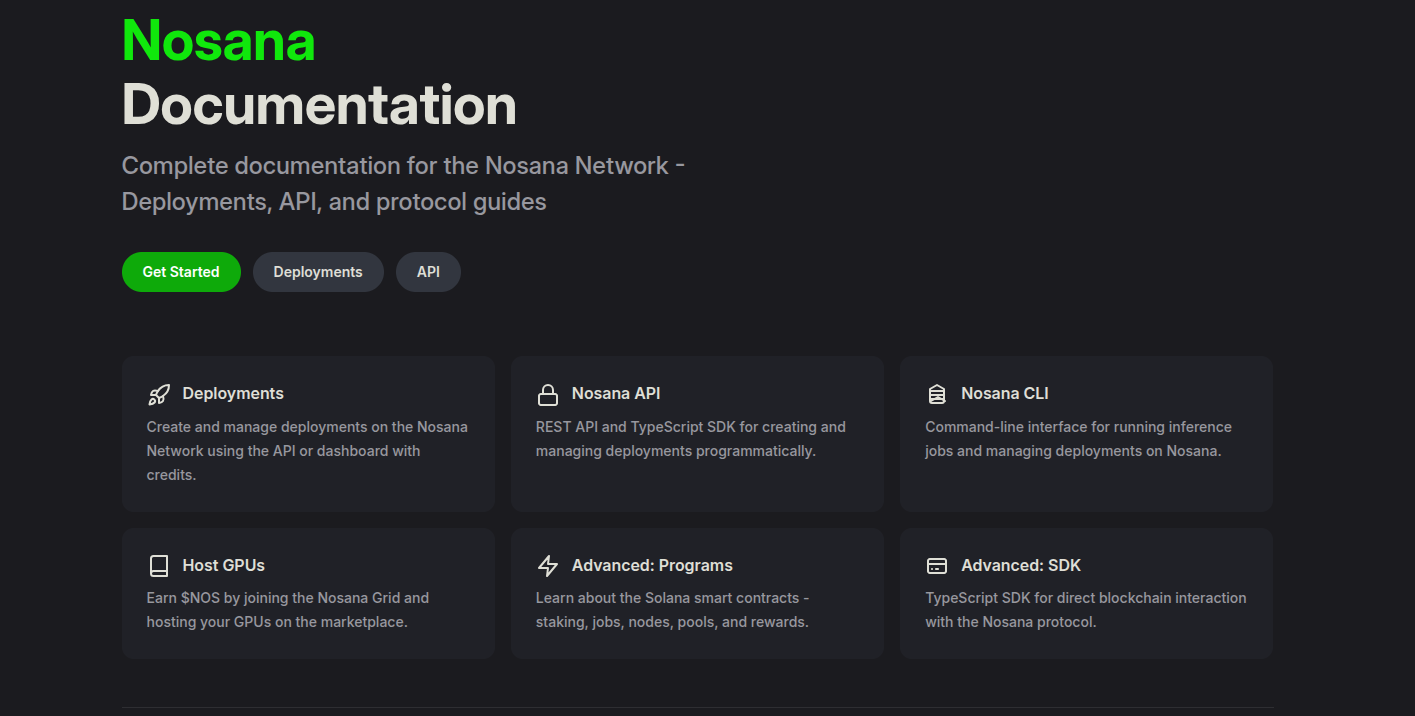
Nosana
Decentralized GPU compute for AI and machine learning. Strong demand for high-end NVIDIA GPUs.
Network Comparison
Akash Network
General purpose compute marketplace. Supports containers, VMs, and specialized workloads. Flexible pricing through reverse auction system.
Storj
Distributed object storage with S3 compatibility. Erasure coding ensures redundancy. Pay-as-you-go pricing for users, stable income for providers.
Nosana
AI inference and training workloads. Containerized job execution. Solana-based payments with fast settlement.
Provider Requirements
Minimum Hardware
8 CPU cores, 16 GB RAM, 100 GB storage, high-speed internet. Requires open ports 8443, 8444, 80, 443 and public IP access.
Node Requirements
1 core per node, dedicated hard drive (no SMR), minimum 2 TB free space. Needs 1.5 TB monthly transit per TB stored and 99.5% uptime.
GPU Host Specs
12 GB RAM, 256 GB NVMe, 100 Mbps down / 50 Mbps up minimum. Competitive setups need 500 Mbps+ and under 100ms latency.
Earnings Potential
Akash Returns
Income varies based on workload demand and your pricing. GPU providers earn significantly more than CPU-only setups. Market-driven rates.
Storj Returns
Most predictable earnings of the three. Payment based on storage used and bandwidth served. Lower volatility, lower hardware requirements.
Nosana Returns
Strongest per-hour rates due to AI boom. Requires high-end NVIDIA GPUs. Income fluctuates with AI training and inference demand.
Which Should You Choose?
Choose Akash If…
Choose Storj If…
Choose Nosana If…
Official Resources
Akash Network
Nosana
Questions for the Community
Your Setup
Real Earnings
2026 Hardware Advice
Decentralized infrastructure represents a fundamental shift in how compute and storage resources are allocated. Whether you choose Akash for flexibility, Storj for stability, or Nosana for high-end GPU returns, you’re participating in the evolution of cloud services.
Disclaimer
This content is for educational and informational purposes only. Running nodes on decentralized networks involves technical and financial risk. Cryptocurrency earnings are volatile. Always do your own research before committing hardware and resources.
DISCUSSION
No replies yet. Be the first to join the discussion!